

Whoa, this surprised me. I was poking around swap flows and gas estimates when a pattern jumped out. Something felt off about the way wallets reported failed transactions to users. Initially I thought it was just bad UX, a few sloppy error messages, but then I dug deeper and found multiple failure modes that could quietly eat a user’s funds or leave them stuck in limbo for days. Here’s the thing: transaction simulation and precise portfolio context matter more than we admit.
Hmm, this kept nagging me. On one hand users trust wallets to be their guardrails, though actually those wallets often just pass through raw node errors. My instinct said the problem was solvable with better tooling at the client layer. Actually, wait—let me rephrase that: it’s solvable, but only if wallets combine accurate simulation, mempool awareness, and portfolio tracking across chains. I’m biased, but the current status quo leaves too many blind spots.
Short-term failures annoy people. Medium-term failures can be expensive. Long-term failures erode trust in DeFi, and that matters for onramps and mainstream adoption because people remember the first time they got rekt. The classical example is a swap that reverts on-chain even though the wallet showed it as likely to succeed—gas is consumed, tokens partially swapped, approvals misapplied. This is not edge-case lore; it’s real user friction that compounds across protocols and chains.
Okay, so check this out—transaction simulation isn’t just replaying code on a forked node. It should model pending mempool state, account nonce sequences, pending approvals, and potential MEV interactions. Short tests are easy. Complex simulations need heuristics for relayer bundles and slippage windows. On a practical level, that means a wallet must run multi-step, stateful dry-runs before committing a signature.
My first impression: run eth_call and show a green checkmark. That felt helpful. Then I realized eth_call misses front-running and bundle effects. On top of that, cross-chain bridges complicate the mental model—what happens in the source chain may not correlate cleanly with destination events. So wallets that only show single-chain simulations are omitting crucial risk signals.
Where DeFi Protocols Break the Mental Model
Protocols differ wildly. Some use complex on-chain routing and off-chain relayers. Some allow permissionless orders that suddenly expire or get sandwiched. Users often don’t see those intermediate states. A robust wallet should surface path-dependent risks and show the likely intermediate states for multi-leg trades or lending actions. This is the difference between “it worked on the testnet” and “it cost me 3 ETH on mainnet.”
Whoa, small quirks matter. Approvals are a big one. A wallet can simulate a transferFrom succeeding, but if an approval is stale or a different contract intercepts the tokens, the user loses optionality. My instinct said approvals-manager plugins were enough. Then I saw accounts that had dozens of infinite approvals and — ouch — the simulation would say success while an opportunistic contract would siphon tokens later. That’s unacceptable.
Transaction simulation also needs to include portfolio context. Why? Because the same swap affects your margin positions, liquidation thresholds, and collateral ratios on lending platforms. I remember a trader in New York who moved a few percent of her collateral and triggered a cross-protocol liquidation cascade; no single app warned her. That cascade is exactly the sort of systemic hazard better simulation could flag.
On one hand, analytics dashboards provide numbers. On the other hand, they rarely feed into pre-signing checks. Though actually, when they do, it feels like magic. Imagine signing a swap and getting a clear warning: “This trade increases liquidation risk on Maker and Compound by X%.” That’s actionable. People change behavior when they get context, and behavior is what drives long-term safety.
Here’s what bugs me about many wallets: they treat simulation as a one-off step. They run a dry-run, give the OK, and then hand the user off to the network with little ongoing visibility. Users need continuous feedback—mempool reorgs, pending replacements, and gas spikes all matter. Something like an in-wallet mempool watcher that highlights conflicting pending txs is immensely valuable, even if it’s not glamorous.
Seriously? Many wallets still don’t show calldata or decoded function names clearly. That’s a basic security hygiene step. Display the exact function being called, the receiver, and the amounts in human terms—not just hex. In practice, that reduces phishing and social-engineering wins by a lot. I’m not 100% sure this would stop all attacks, but it would stop many dumb mistakes.
So what should a high-signal wallet do? Simulate multi-step flows, model mempool interactions, surface portfolio-wide effects, and make approvals explicit and revokable. Combine on-device checks with server-assisted heuristic models for MEV and relay behavior when needed. And importantly, keep the UX clear—users shouldn’t need a degree in Solidity to understand the risks.
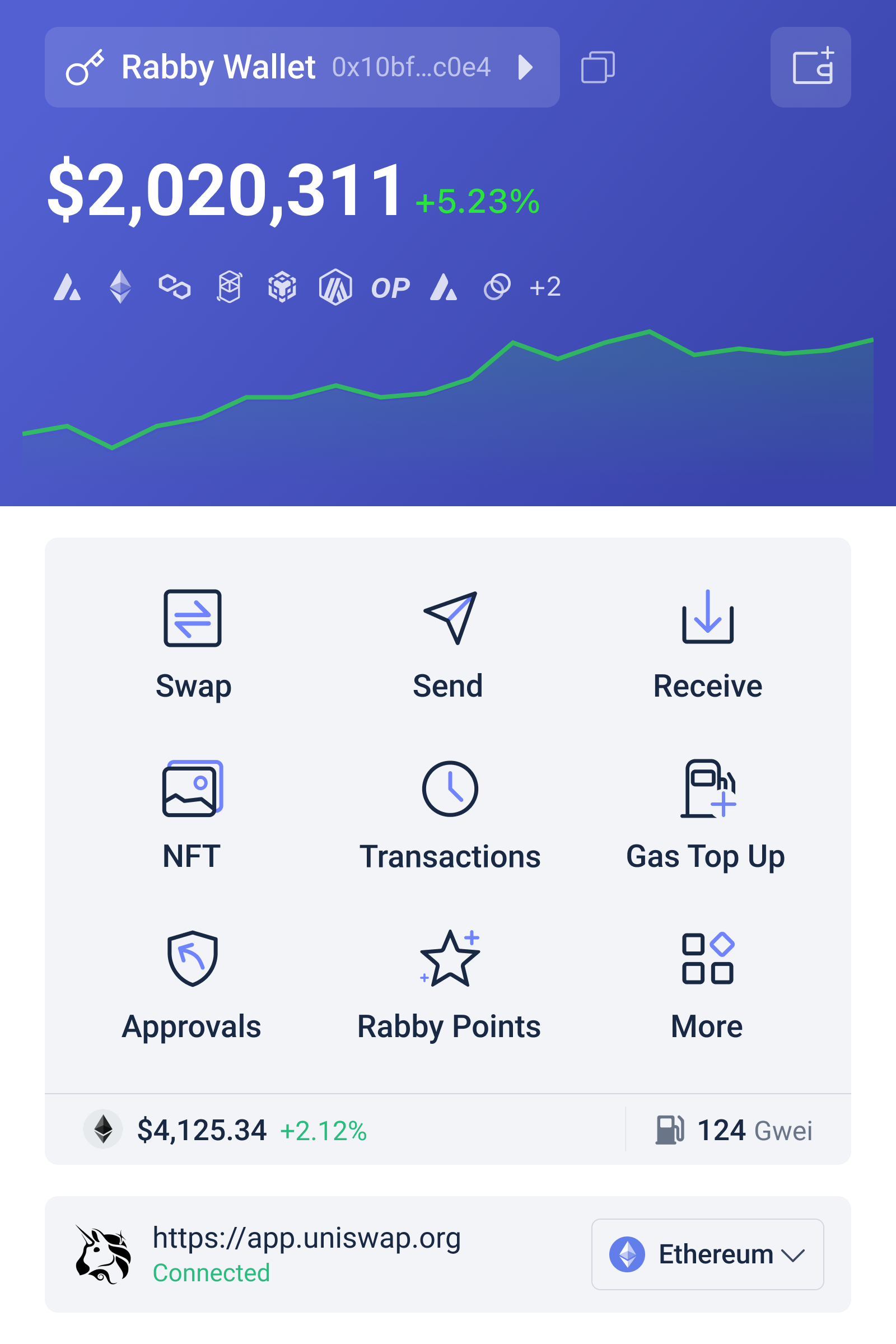
Okay, practical rec: use a wallet that treats simulation as part of its core security model. For me, that look included hands-on testing with a wallet that decodes calldata, shows potential slippage windows, and warns about cross-protocol impact. If you’re curious, try switching to a wallet that gives those signals—I’ve used tools that do this daily, and they change the game. One tool I recommend is rabby wallet, which combines transaction simulation with clearer approval management and a cleaner pre-signing experience.
What about portfolio tracking? Many users run assets across L2s, chains, and lending markets. Tracking that state lets a wallet run better scenario analyses. Short sentence here. Medium sentence now that explains: a wallet can compute net exposure and show “if you swap X, you’ll exceed safe leverage.” Longer thought follows: doing that requires stitching on-chain data, historical oracle feeds, and simple stress-test heuristics inside the wallet so the user sees both nominal and stressed outcomes before they sign.
I’m not saying this is trivial. Building robust simulators is expensive and requires hard engineering choices. Something very very important is choosing which edge-cases to flag versus which to ignore. My instinct is to err on the side of caution for non-expert users. For power users, offer toggles to silence non-critical warnings. That balance is delicate, but it’s doable.
Finally, there’s the human side. People panic when they see “transaction failed” without explanation. Calm, clear, contextual messages change decisions. A better message might read: “This transaction likely reverts because of insufficient output in route leg 2; you can increase slippage to proceed, but this increases MEV risk.” That kind of sentence—explicit, tactical, and actionable—reduces dumb errors and winningly educates users over time.
Common Questions about Simulation and Tracking
How accurate are simulations?
Simulations vary. Node eth_call gives a baseline, but it misses mempool dynamics, relayer bundles, and MEV. The most useful setups combine local dry-runs with heuristics that model pending transactions and relay behavior. I’m not 100% sure any simulation is perfect, but when implemented well it reduces surprise failures significantly.
Will these checks slow down signing?
Minimal impact if done well. Quick local checks are near-instant. More advanced heuristics or server-assisted MEV checks add milliseconds to seconds, not minutes. In my view, a couple extra seconds is worth avoiding a catastrophic loss.